15 Email Marketing Tips and Best Practices for Small Businesses
Fifteen practical email marketing tips for small businesses, from building a list with permission to subject lines, timing, deliverability and testing.
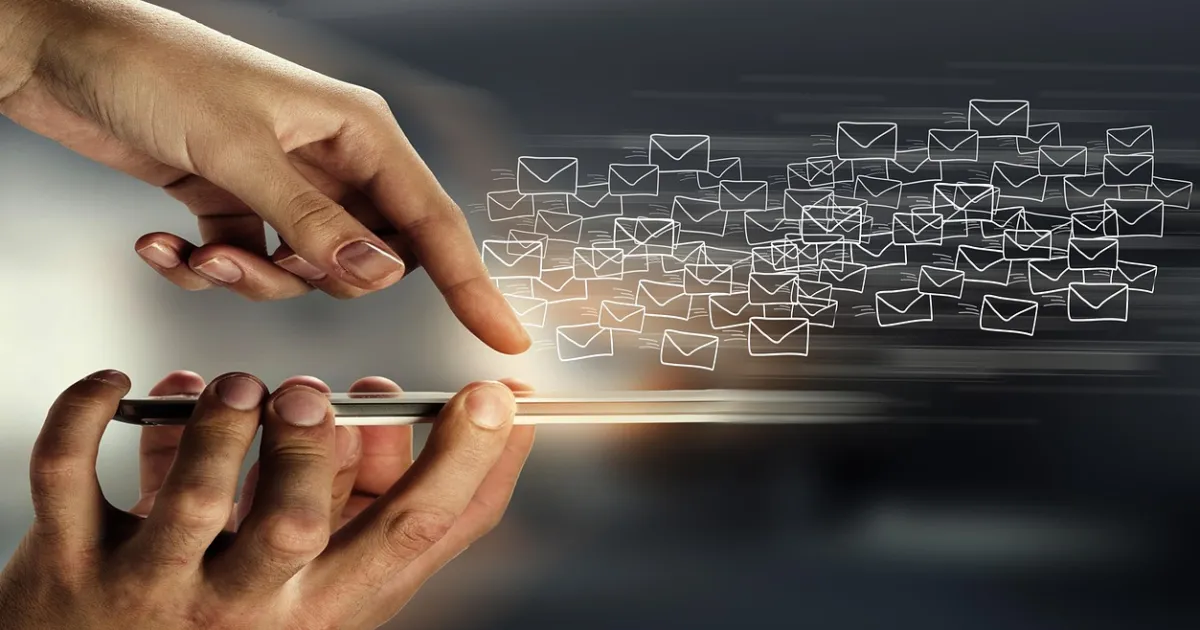
Email rewards care more than cleverness. These tips are the habits that make the biggest difference for small businesses, grouped by stage: building the list, writing, sending and improving. If you are starting from scratch, read our guide to email marketing campaigns first.
Building the list
1. Collect permission properly
Ask people clearly whether they want your marketing emails, and record when and how they agreed. In the UK, individuals need to have consented unless the soft opt-in applies to your own customers. A smaller list of people who asked to hear from you outperforms a large list of strangers.
2. Tell people what they will get
"Monthly tips and first look at new courses" converts better than "Join our mailing list", and sets expectations so people are less likely to unsubscribe.
3. Ask at the right moments
After a purchase, at the end of a useful article, at the till or after a good conversation. A sign-up box in the footer alone rarely builds a list.
Writing the email
4. Make the subject line specific
Say what is inside: "Saturday workshop: 4 places left" rather than "Don't miss out!". Specific subjects earn trust as well as opens.
5. Use the preview text
Most inboxes show a line after the subject. If you leave it empty, it may show "View in browser". Use it to add a second reason to open.
6. One email, one main action
Choose the single thing you want the reader to do and make it a clear button. Secondary links are fine, but make the main one obvious.
7. Write as a person
Short paragraphs, plain words and a real name at the end. Small businesses have an advantage here that big brands envy.
8. Design for phones first
Single column, large text, buttons big enough to tap. Avoid putting important text inside images.
Sending
9. Authenticate your sending domain
Set up the email authentication records your platform asks for, usually SPF, DKIM and DMARC. Major providers such as Gmail expect bulk senders to authenticate, and it helps your emails reach the inbox.
10. Send at a sensible time, then test
There is no universal best time to send. Think about your readers: business audiences often read on weekday mornings, many consumers in the evening or at weekends. Try two different times over a few sends and compare clicks. Your own results matter more than any industry average.
11. Keep a steady rhythm
A predictable schedule, such as the first Tuesday of the month, builds habit. Long silences followed by a flurry of emails cause unsubscribes and spam complaints.
12. Segment where it matters
Even simple groups, such as customers versus enquirers, or local versus national, let you send more relevant emails.
Improving
13. Judge emails by clicks and results
Opens are less reliable than they used to be because some email apps load images automatically. Clicks, replies, bookings and sales tell you more. See email marketing metrics.
14. Clean your list
Remove addresses that bounce and consider a short "do you still want to hear from us?" email to people who have not opened anything in a long time. Sending to unengaged addresses can harm deliverability.
15. Make leaving easy
A clear unsubscribe link in every email is a legal requirement for marketing and protects your reputation: people who cannot leave easily mark you as spam instead.
Quick checklist before every send
- Subject and preview text say what is inside
- One main button that works
- Checked on a phone
- Correct segment selected
- Unsubscribe link and business details in the footer
Questions
What is the best day to send a marketing email?
There is no single best day. Consider when your readers check email, test two options and keep the one that brings more clicks and sales.
How can I stop my emails going to spam?
Authenticate your sending domain, send only to people who asked for your emails, keep a steady schedule, remove bouncing addresses and make unsubscribing easy.
How many links should a marketing email have?
Enough to be useful, but with one obvious main action. Too many competing links dilute the message.
Sources
Read next

How to Choose an Email Marketing Platform (UK Guide)
Email marketing platforms send, track and manage your marketing emails. Here is what they do, which features matter for a small UK business…

Email Marketing Metrics: What to Measure and What to Ignore
Email platforms report a dozen numbers. Here is what each email marketing metric means, why open rates are less reliable than they were and…

Email Marketing for Small Businesses in the UK
A practical guide to email marketing for small UK businesses: who you are allowed to email, how to build a list, what to send and a routine…