Email Marketing Campaigns: How They Work and How to Run One
An email marketing campaign is a planned series of emails with one clear goal. Here is how email marketing works, the campaign types worth knowing and how a small business can run its first one properly.
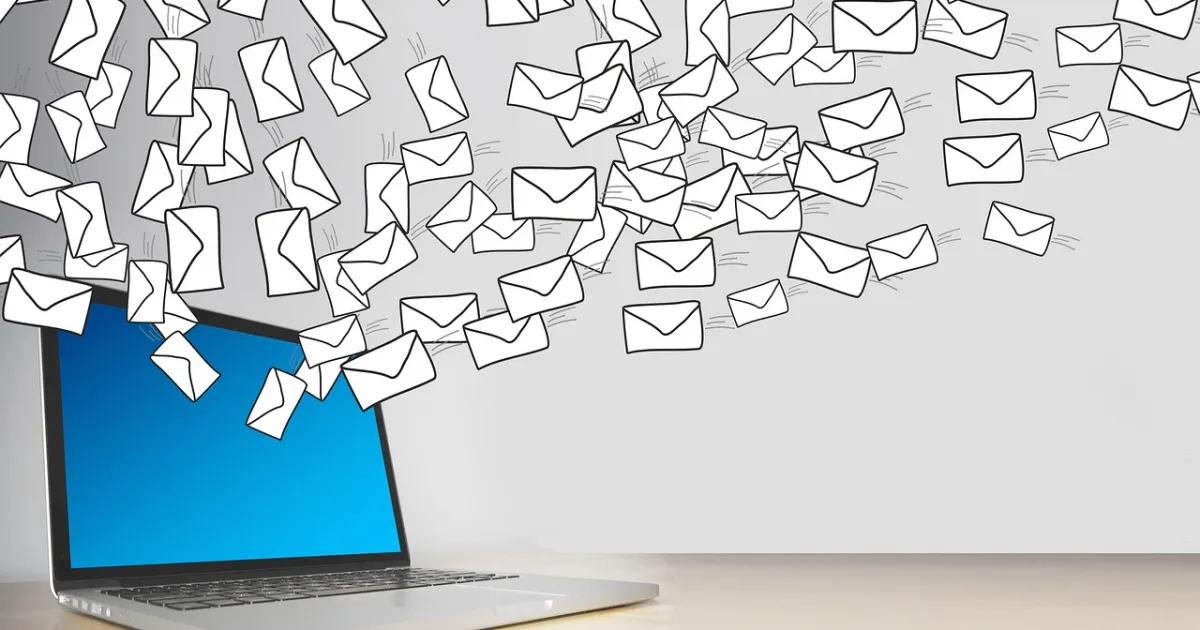
Email marketing is sending messages by email to people who have agreed to hear from you, to inform them, keep them coming back or persuade them to buy. An email marketing campaign is one planned piece of that work: a single email or a short series sent to a chosen group of people, with one clear goal such as filling a workshop, launching a product or bringing back customers who have gone quiet.
For a small business, email has an advantage few other channels offer: you own the list. A social media platform can change what your followers see overnight; your email list stays yours, and every message lands in the inbox of someone who already knows you.
How email marketing works
- People join your list through a sign-up form, at checkout or when they make an enquiry, and give their permission to receive marketing.
- You keep the list in an email marketing platform rather than a normal inbox. Platforms handle sign-ups and unsubscribes, design templates, send in bulk and report on results.
- You send campaigns to the whole list or to segments, such as past customers or people in one area.
- You measure and adjust: which emails were opened, which links were clicked and what people did afterwards.
Types of email campaign
| Campaign | What it does | Small business example |
|---|---|---|
| Newsletter | Regular update that keeps you in mind | A garden centre's monthly "what to plant now" |
| Promotional | Announces an offer or launch | A bakery's new seasonal range |
| Welcome series | Greets new subscribers over 2–4 emails | A salon introducing its team and booking tips |
| Re-engagement | Brings back people who have gone quiet | A gym emailing members who have not visited in two months |
| Event | Invites, reminds and follows up | A bookshop's author evening |
| Transactional | Order confirmations, receipts, reminders | Appointment reminder from a dentist |
Transactional emails are service messages, not marketing, but they are read more than almost anything else you send, so keep them clear and on brand.
The UK rules you must follow
Email marketing in the UK is governed by the Privacy and Electronic Communications Regulations (PECR) alongside data protection law. The Information Commissioner's Office (ICO) explains the rules, and the main points for a small business are:
- Individuals need to have consented to your marketing emails. Individuals include sole traders and some partnerships.
- The "soft opt-in" is the exception. You can email your own customers about your own similar products or services if you collected their details during a sale or negotiation, gave them a chance to opt out at that point, and offer an opt-out in every message.
- Bought-in lists of individuals are not covered by the soft opt-in.
- Limited companies (corporate subscribers) fall outside the consent rule, but you must still identify yourself, give a way to opt out and respect it.
- Every marketing email must say who it is from and include a working way to unsubscribe.
How to run your first campaign, step by step
1. Choose one goal
"Book 20 tables for Thursday", "sell 30 gift vouchers before Christmas" or "get 50 replies to our survey". One goal makes every later decision easier, from the subject line to the button.
2. Pick who receives it
Not every campaign belongs with everyone. A loyalty offer suits recent customers; a "we miss you" note suits people who have not bought in a year. Even a simple split between customers and enquirers improves results.
3. Write the email
- Subject line: say what is inside, specifically. "Thursday tasting menu: 12 seats left" beats "Our latest news".
- Preview text: the line shown after the subject in most inboxes; use it to add the detail.
- One message, one button. Several competing links split attention.
- Write like a person. Short paragraphs and a signed name usually outperform a glossy brochure.
4. Check it before sending
Send a test to yourself and a colleague, open it on a phone, click every link and check the unsubscribe works. Make sure your sending domain is set up properly: major inbox providers such as Gmail expect senders to authenticate their emails, and your platform will walk you through it.
5. Send and follow up
Send at a time your audience is likely to read. For a business audience that is often a weekday morning; for consumers, evenings and weekends can work. A short reminder to people who did not open the first email, a few days later, is a common and effective follow-up.
6. Measure
Look at clicks and, most importantly, results against your goal: bookings, sales, replies. Open rates have become less reliable because some email apps load images automatically, which can count as an open. Our guide to email marketing metrics explains which numbers to trust.
Common mistakes
- Emailing people who never agreed to receive marketing.
- Sending only when you need a sale, so every email feels like a pitch.
- No plain way to unsubscribe, which drives people to report you as spam instead.
- Huge images and little text, which load slowly on mobile data and can look like spam to filters.
Questions
What is an email marketing campaign?
A planned email, or short series of emails, sent to a chosen group of subscribers with one specific goal, such as promoting an event or bringing back lapsed customers.
Can I email my existing customers without asking first?
Often yes, under the soft opt-in, if you got their details during a sale, are marketing your own similar products or services, gave them a chance to opt out then and include an opt-out in every email.
How often should a small business send marketing emails?
As often as you have something genuinely useful to say and can keep up. For many small businesses a monthly newsletter plus occasional campaigns is a sustainable rhythm.
Is email marketing still worth it?
Yes for most small businesses, because you own the list and reach people who already know you. Results depend on permission, relevance and consistency.
Sources
Read next

How to Write a Marketing Plan (With an Example)
A marketing plan turns good intentions into a timetable. Here is what goes in one, how to write it in seven steps and a worked example for …

Marketing Plan Template for Small Businesses (Free to Copy)
A marketing plan does not need to be fifty pages. Copy this one-page template, see how each section works with a filled-in example, and use…

Ecommerce Website Design: What Makes an Online Shop Sell
Good ecommerce design makes it easy to find a product, trust the shop and pay. Here are the design principles that matter most for small on…