Marketing Campaign Strategy: How to Plan a Campaign That Works
A marketing campaign is a focused burst of activity with one goal and a deadline. Here is how to plan one step by step, with a timeline and an example for a small business.
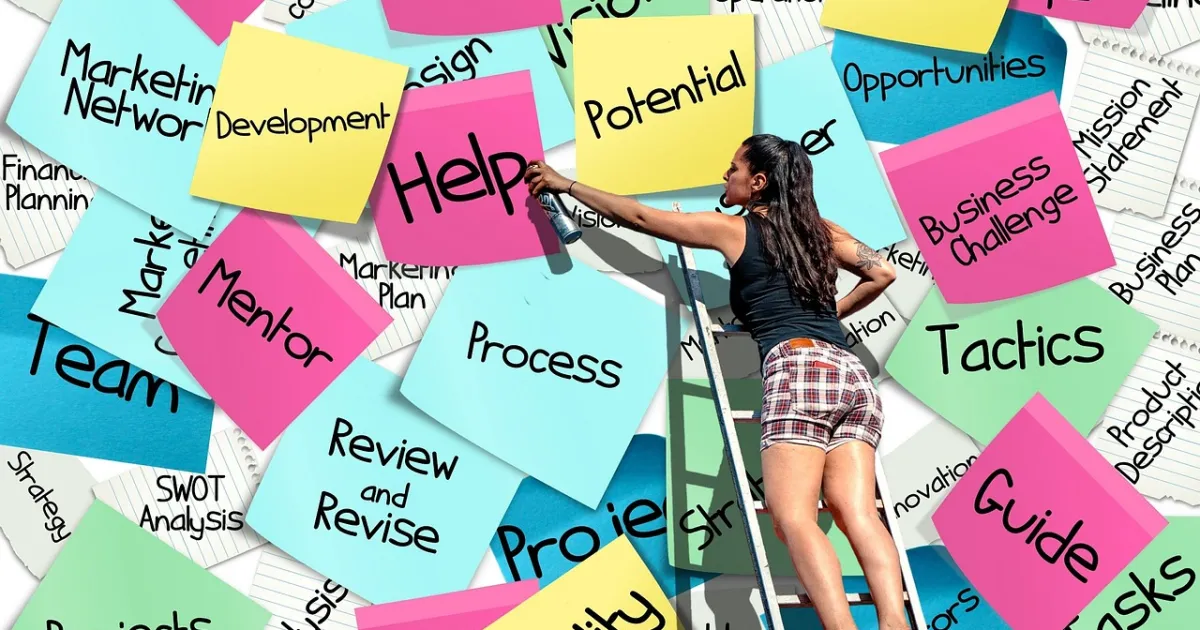
A marketing campaign is a coordinated set of activities, over a fixed period, aimed at one goal: launching a product, filling a quiet month, promoting an event or winning back past customers. A campaign strategy is the thinking that makes those activities pull in the same direction instead of becoming a scattering of posts and emails.
Use this guide with our campaign plan template, which gives you a one-page format to fill in.
1. Set one goal with a number and a date
"Sell 80 tickets for the 14 March supper club" or "book 25 boiler services in September". A single measurable goal stops the campaign drifting and tells you afterwards whether it worked.
2. Choose exactly who it is for
The narrower the audience, the sharper the message. A florist's Mother's Day campaign might target past customers and people within delivery range, not everyone who likes flowers. Write the audience in one sentence.
3. Make an offer worth acting on
A campaign needs a reason to act now. That does not have to be a discount: early booking for limited dates, a bundle, a free extra, a deadline or simply something new. Keep any urgency genuine. Under UK consumer law it is unfair to falsely claim that an offer is available only for a very limited time to rush people into buying.
4. Pick channels your audience uses
Match channels to the audience rather than using everything:
- Existing customers: email, text reminders where they have agreed, in-store signs.
- Local new customers: Google Business Profile posts, local social media groups, posters, local press.
- Online buyers: your website, search ads, social ads, email.
5. Build a timeline
| Phase | When | What happens |
|---|---|---|
| Prepare | 3–4 weeks before | Write copy, take photos, build landing page, set up tracking |
| Announce | Start | Email to list, social posts, profile post, in-store signs |
| Remind | Middle | Second email to those who did not respond; customer stories |
| Last call | Final days | Short reminder of the deadline |
| Follow up | After | Thank-you message; ask for reviews or feedback |
6. Set the budget
List costs for each element: printing, ads, platform fees, photography, extra staff time. Decide in advance the most you would pay for each sale or booking, so you can stop paid activity that is not paying back.
7. Track and review
Use tracked links and unique codes for each channel, and ask customers how they heard about the offer. When the campaign ends, compare the result with the goal and write down one thing to repeat and one to change. These notes make every future campaign easier.
Example: filling a quiet January for a hair salon
- Goal: 60 extra appointments in January.
- Audience: clients who have not booked since October.
- Offer: a free deep-conditioning treatment with any January cut.
- Channels: email and text to past clients who agreed to receive them; post on the Business Profile; a sign at reception in December.
- Timeline: announce in mid-December, remind in the first week of January, last call on 20 January.
- Measure: bookings with the offer code against the goal.
Questions
What is a marketing campaign strategy?
The plan behind a campaign: its goal, audience, offer, channels, timeline, budget and how success will be measured.
How long should a marketing campaign last?
Long enough for people to notice and act, short enough to keep urgency. For small businesses two to six weeks is common.
Does a campaign need a discount?
No. A launch, limited dates, a bundle or added extra can all give people a reason to act without cutting your price.
Read next
What Is Market Research? A Plain Guide for Small Businesses
Market research means gathering information about customers, competitors and your market in an organised way before you decide. Here is wha…

How to Create a Digital Marketing Strategy in 7 Steps
A digital marketing strategy decides how you will use your website, search, email, social media and ads to reach customers. Here is how to …

What Is a Marketing Strategy? Definition and Examples
A marketing strategy is your decision about whom to target and why they should choose you. Here is a clear definition, six strategies small…