Influencer Marketing Strategy for Small Businesses (UK Rules)
Influencer marketing can work on a small budget if you pick the right creators and follow the rules. Here is a practical strategy, from finding local creators to labelling ads correctly.
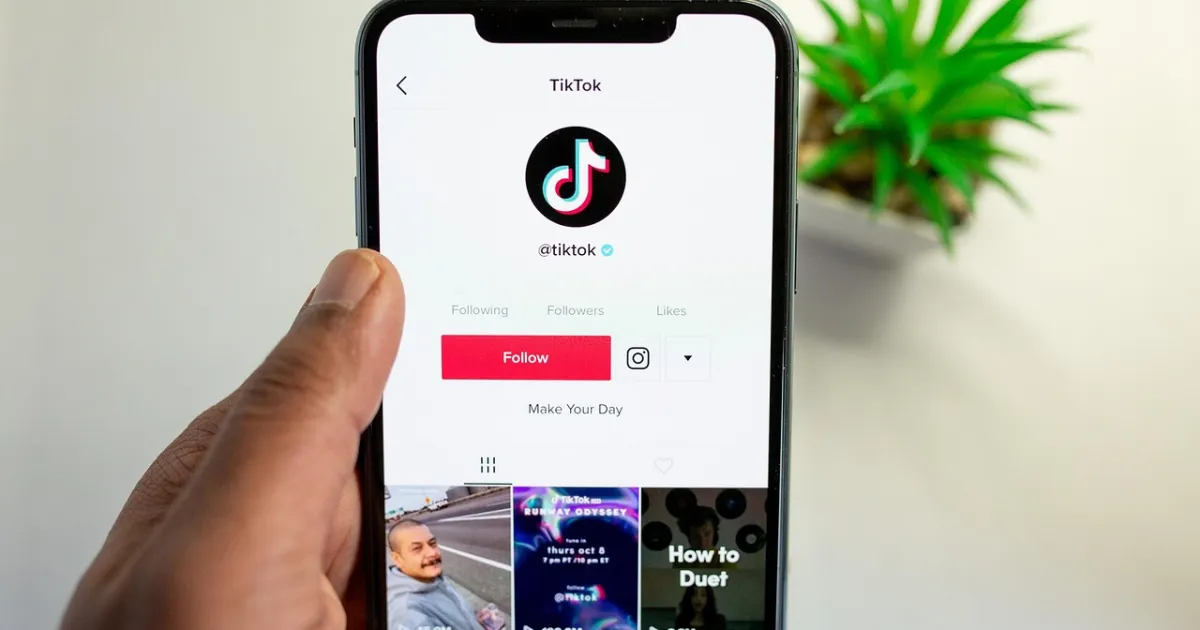
Influencer marketing means working with people who have an engaged online audience, such as creators on Instagram, TikTok or YouTube, to show your products or services to their followers. For small businesses, the best partners are often not celebrities but micro or local creators whose followers trust them and live near you or share a specific interest.
Step 1: Decide what you want
Pick one aim: bookings for a new treatment, sales of a product range, visits to a new café, or simply photos and videos you can reuse. The aim determines who you work with and how you measure it.
Step 2: Find the right creators
- Audience fit beats follower count. A local food creator with a few thousand engaged followers can fill more tables than a national account.
- Check engagement: real comments and conversations, not just likes.
- Check location and audience: ask creators to share audience insights showing where followers are.
- Check values and past content: would you be comfortable with everything on their feed being linked to your brand?
- Start with existing fans: customers who already post about you are natural partners.
Step 3: Agree a clear brief and terms
Put the arrangement in writing, even for a free product exchange:
- What they will create, on which platforms and by when
- Key messages and anything that must not be claimed
- Payment, gifted products or both
- Whether you can reuse their content, where and for how long
- How the post will be labelled as an advert
Leave room for the creator's own style: followers can tell when a post reads like a press release.
Step 4: Follow the advertising rules
In the UK, the Advertising Standards Authority (ASA) and the Competition and Markets Authority (CMA) require influencer ads to be obviously identifiable as advertising. Key points from their guidance:
- If you pay a creator, give free products, or have any control over the content, the post is likely to be an ad and must be labelled.
- Use a clear label such as "#ad" or "Ad" at the start of the post, visible without clicking "more".
- The ASA advises against labels like "sponsored" on their own, which it has found insufficient in a number of rulings.
- Gifted products should also be disclosed.
- Claims in the post must be truthful and able to be backed up, just like any other advert.
Both the brand and the creator can be held responsible, so check posts before they go live.
Step 5: Measure results
- Give each creator a unique discount code or tracked link.
- Track bookings, sales and new followers during and after the campaign.
- Ask new customers how they heard about you.
- Note content you can reuse with permission, which adds value beyond the post itself.
Budget ideas for small businesses
| Approach | Suits |
|---|---|
| Gifted product or experience | Restaurants, salons, product brands testing creators |
| Small fee for a set number of posts | Launches and events |
| Affiliate commission on sales | Online shops with trackable sales |
| Ongoing ambassador arrangement | Brands that find a creator who fits well |
Questions
Do influencers have to use #ad in the UK?
Ads must be obviously identifiable. ASA and CMA guidance recommends a clear label such as "#ad" upfront. Paid posts, gifted products and content you control are likely to need it.
What is a micro-influencer?
A creator with a smaller but engaged audience, often focused on a niche or local area. They are usually more affordable and can be more persuasive for small businesses.
How do I measure influencer marketing?
Use unique codes or tracked links for each creator and compare bookings or sales with what you spent.
Sources
Read next

Brand Positioning Map: How to Draw One and Read It
A brand positioning map is a two-axis chart of how customers see you next to your competitors. Here is how to pick the axes, score each bra…
Customer Retention: What It Is, How to Measure It and Ways to Improve It
Customer retention is the share of your customers who stay with you over a period. Here is how to define and calculate it for a small busin…

Brand Marketing Strategy: How Small Businesses Build a Brand
A brand is what people remember and say about your business. Here is how a small business can define its brand and market it consistently, …